SKIN TYPES: An overview of the different skin types and skin conditions
Skin is divided into different types, each with specific characteristics and care requirements. While oily skin tends to produce excess sebum and dry skin quickly becomes tight, all skin types need one thing above all else: sufficient moisture and a balanced combination of nutrients to stay healthy and resilient.
What skin types are there?
There are four main skin types: normal, dry, oily and combination skin. In addition, there are sensitive and mature skin types – however, these are considered temporary skin conditions rather than separate skin types. Your skin type is determined by your genes. However, the condition of the skin can change. It is influenced by internal and external factors – so-called intrinsic (e.g. genetics or hormonal changes) and extrinsic (e.g. UV radiation, (oxidative) stress or an unbalanced diet) factors.

NORMAL SKIN
Normal skin is neither too dry nor dehydrated.
It is well supplied with blood, has a soft and supple surface and appears fresh and rosy. The term ‘normal’ describes a balanced complexion.
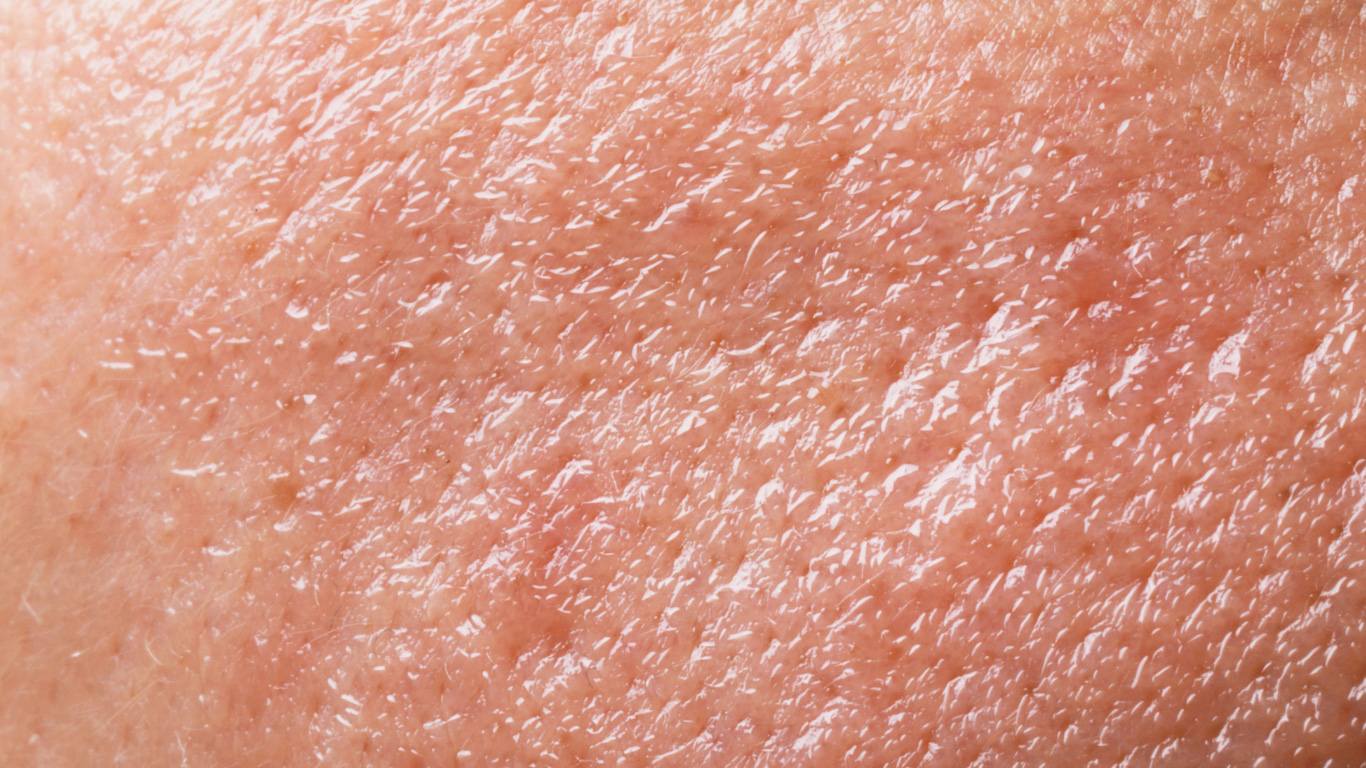
OILY SKIN
Oily skin tends to be thick, coarse-pored and shiny.
In the field, this skin type is called seborrhoea. It is often caused by increased sebum production. This can be caused by genetic factors, hormonal changes, medication or stress.
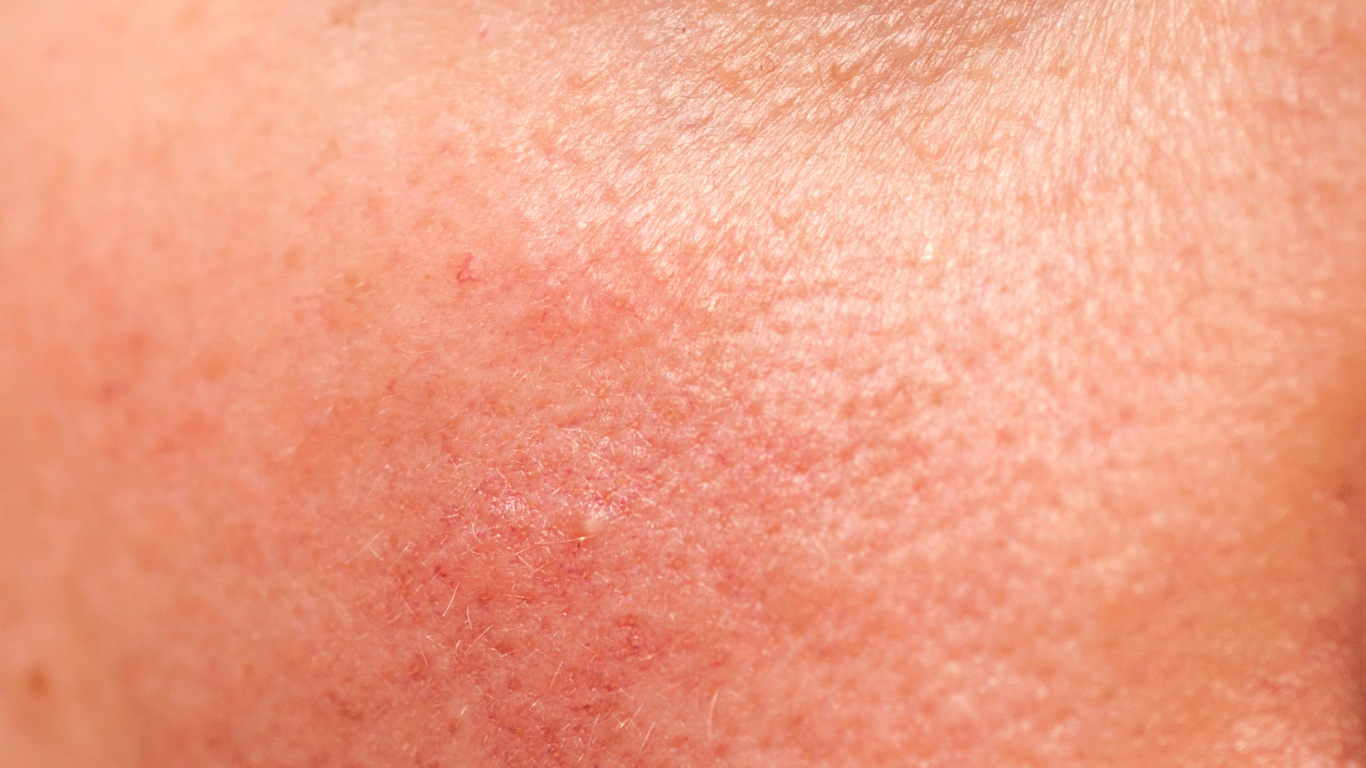
COMBINATION SKIN
The term ‘combination skin’ describes a skin type with mixed characteristics.
The so-called ‘oily T-zone’ includes the forehead, nose and chin. The cheeks, on the other hand, are usually dry. The size of the T-zone can vary. It ranges from a narrow strip to a larger area.
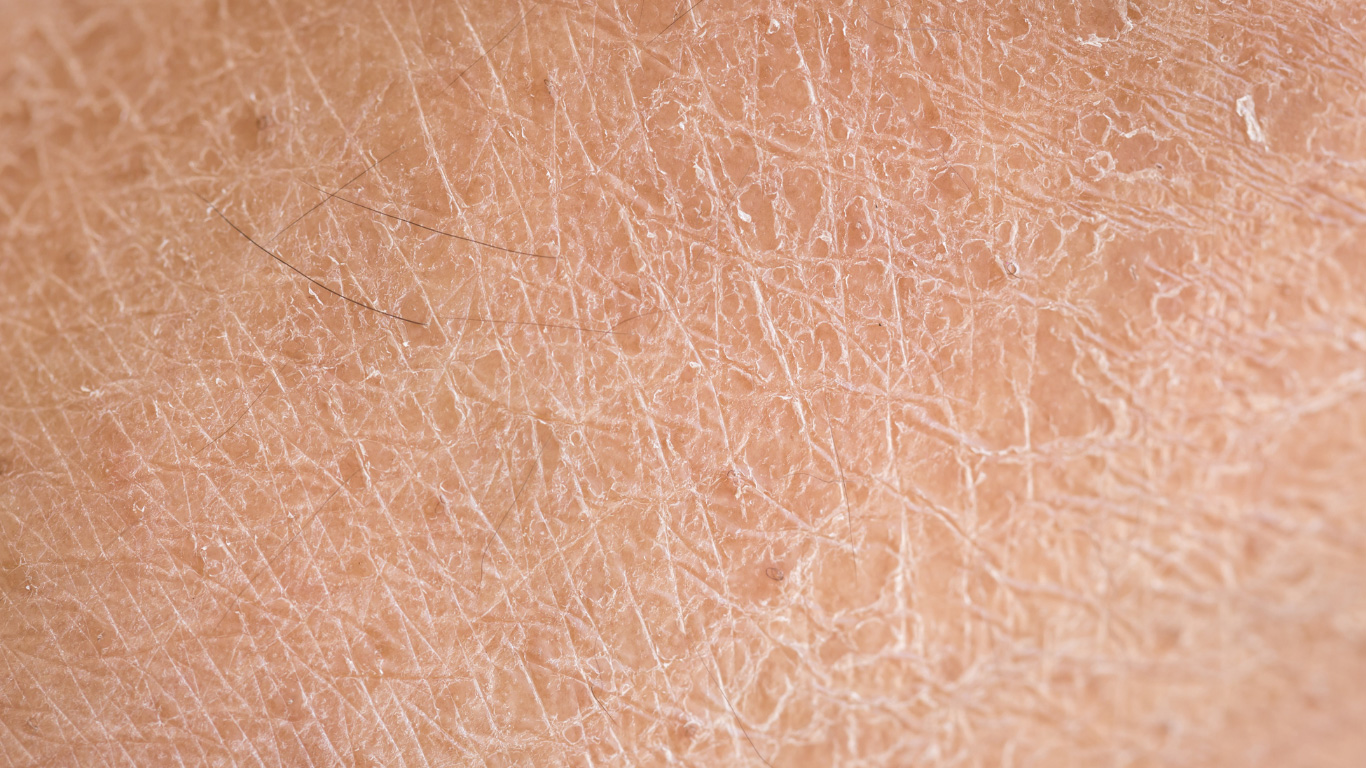
DRY SKIN
Dry skin is referred to as sebostasis in the field of dermatology.
It is usually fine-pored, delicate and drier. It produces less sebum and therefore fewer lipids, which protect against water loss.
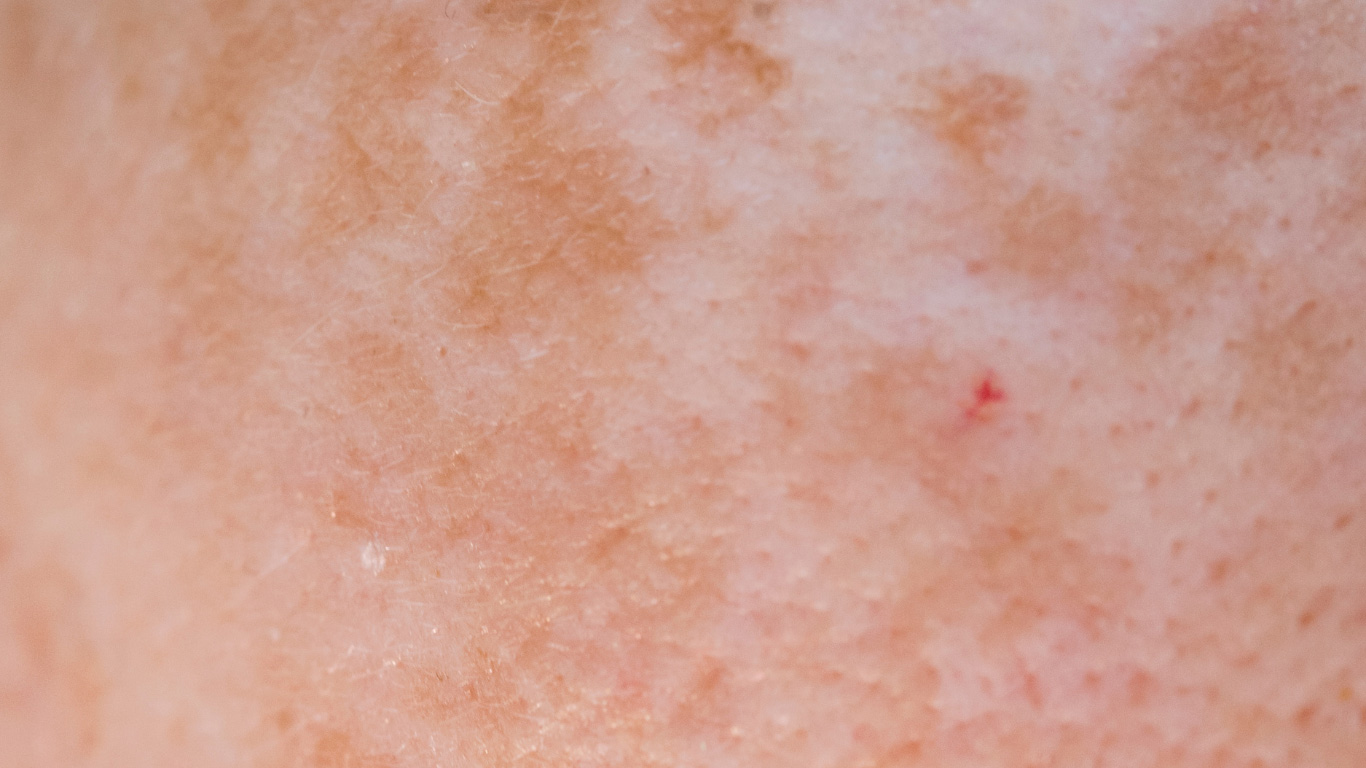
SENSITIVE SKIN
Sensitive skin often tends to be dry and prone to redness.
It has fine pores and reacts more quickly than normal skin to external influences.
This can cause itching, rashes, or inflammation.
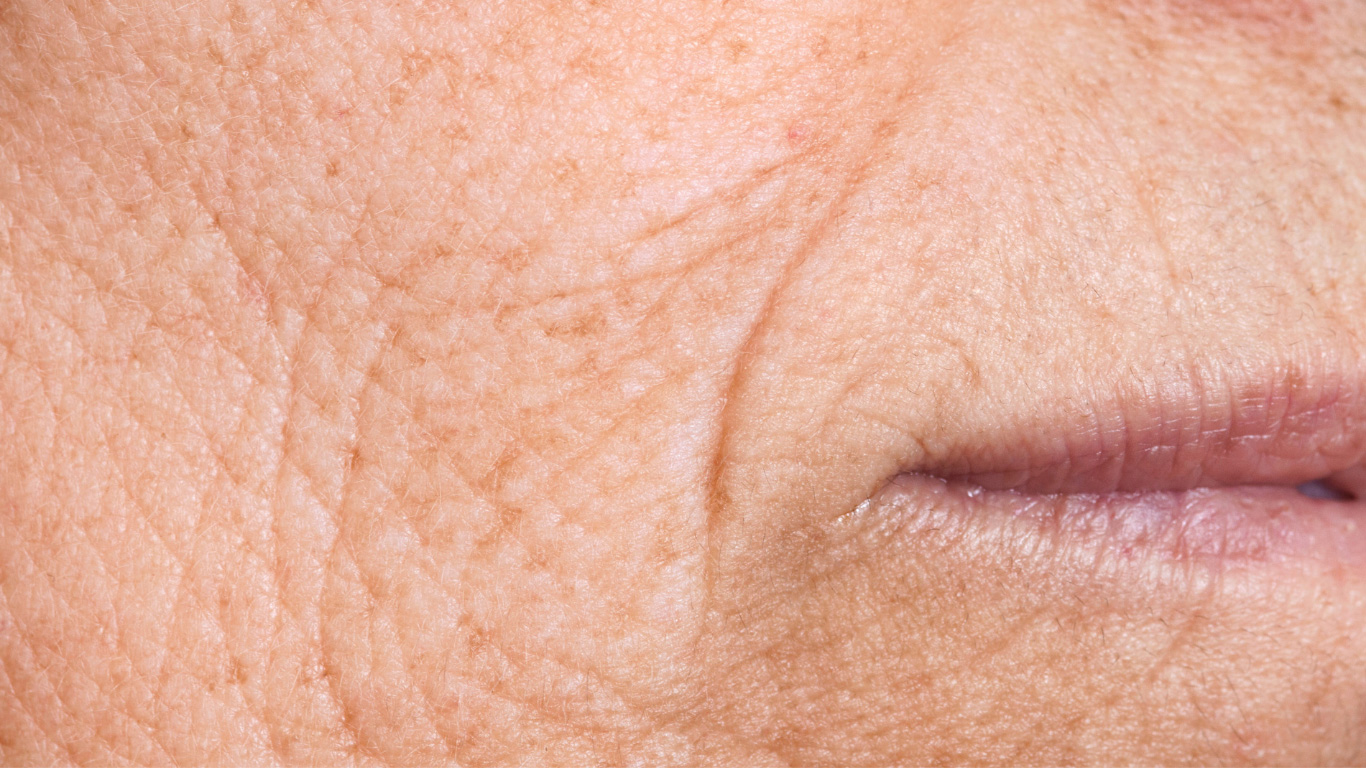
MATURE SKIN
The skin changes over the course of a lifetime.
Depending on predisposition, lifestyle and external influences, mature skin types develop sooner or later. The skin becomes more demanding, needs more protection and tailored care. The first lines and wrinkles appear.
Determining skin types – how can I identify my skin type?
To determine your skin type, cleanse your face thoroughly and refrain from using any skincare products for an hour. Then observe: if your skin feels tight or flaky, it is probably dry; if it is very shiny and has large pores, it is oily; if only the T-zone is shiny and your cheeks are dry, you have combination skin. If your skin reacts sensitively to irritants, it is sensitive. A simple test with blotting paper can also help. This allows you to measure the oil content: a lot of oil = oily skin, hardly any oil = dry skin, oil only in the T-zone = combination skin.
Important: Your skin type can change with age, hormones or the season. For a precise diagnosis, it may be worth having a professional skin analysis – for example, by a dermatologist.
Skin types and hormonal changes – what happens to my skin?
Skin type can change over the course of a lifetime. If your skin was oily when you were younger, it may become drier after puberty, pregnancy or during the menopause.
Declining hormone activity in old age due to the menopause
From the age of 25, oestrogen production declines continuously. After the menopause, the production of collagen and hyaluronic acid in the skin cells (fibroblasts) of the dermis decreases significantly. Studies have shown that the collagen content in the skin is reduced by 30 percent five years after the menopause. Without collagen and hyaluronic acid, the skin can no longer maintain its elastic support structure.
Skin types and UV sensitivity – Fitzpatrick classification explained
The skin’s sensitivity to UV rays is classified into six skin types according to the Fitzpatrick classification (named after the American dermatologist Thomas Fitzpatrick) – depending on its reaction to sunlight, and thus focuses less on the condition of the skin or its cosmetic appearance.
Type I has very fair skin, never tans and burns easily. Type II tans very little and is also very prone to sunburn. As the type number increases, the ability to tan increases and sensitivity decreases. Type VI has very dark skin, tans deeply and hardly ever burns. This classification helps to choose the right UV protection.
| Skin Type | Natural Skin Color | Hair Color | Tanning | Self-Protection Time |
|---|---|---|---|---|
| Type 1 | Very fair | Reddish to reddish-blonde | None | max. 15 min. |
| Type 2 | Fair | Blonde to brown | Minimal to moderate | max. 20 min. |
| Type 3 | Light to light brown | Dark blonde to brown | Progressive | max. 30 min. |
| Type 4 | Light brown, olive-toned | Dark brown | Progressive | max. 40 min. |
| Type 5 | Dark brown | Dark brown to black | None | max. 60 min. |
| Type 6 | Dark brown to black | Black | None | max. 90 min. |
Skin care is also essential for darker Fitzpatrick skin types, as the skin barrier must be protected. Despite higher natural UV protection, deeper skin types are not immune to environmental influences, light-induced skin damage or damage to the collagen structure, which leads to premature skin ageing in the long term.