SKIN TYPES: An overview of the different skin types and skin conditions
Skin is divided into different types, each with unique traits and care needs. Oily skin often overproduces oil, while dry skin tends to feel tight quickly. But all skin types need one main thing: enough moisture and a well-balanced mix of nutrients to stay healthy and strong.
Which skin types are there?
Basically, four main skin types are identified: normal, dry, oily, and combination skin. In addition, there are sensitive and mature skin – but these are generally seen as temporary skin conditions rather than independent skin types. A person’s skin type depends on genetics. Still, skin condition can change. It is influenced by internal and external factors – the so-called intrinsic (e.g., genetics or hormonal changes) and extrinsic (e.g., UV radiation, oxidative stress, or poor diet) factors.

NORMAL SKIN
Normal skin is neither too dry nor dehydrated.
It is well supplied with blood, has a soft and supple surface, and appears fresh and rosy. The term “normal” describes a balanced complexion.
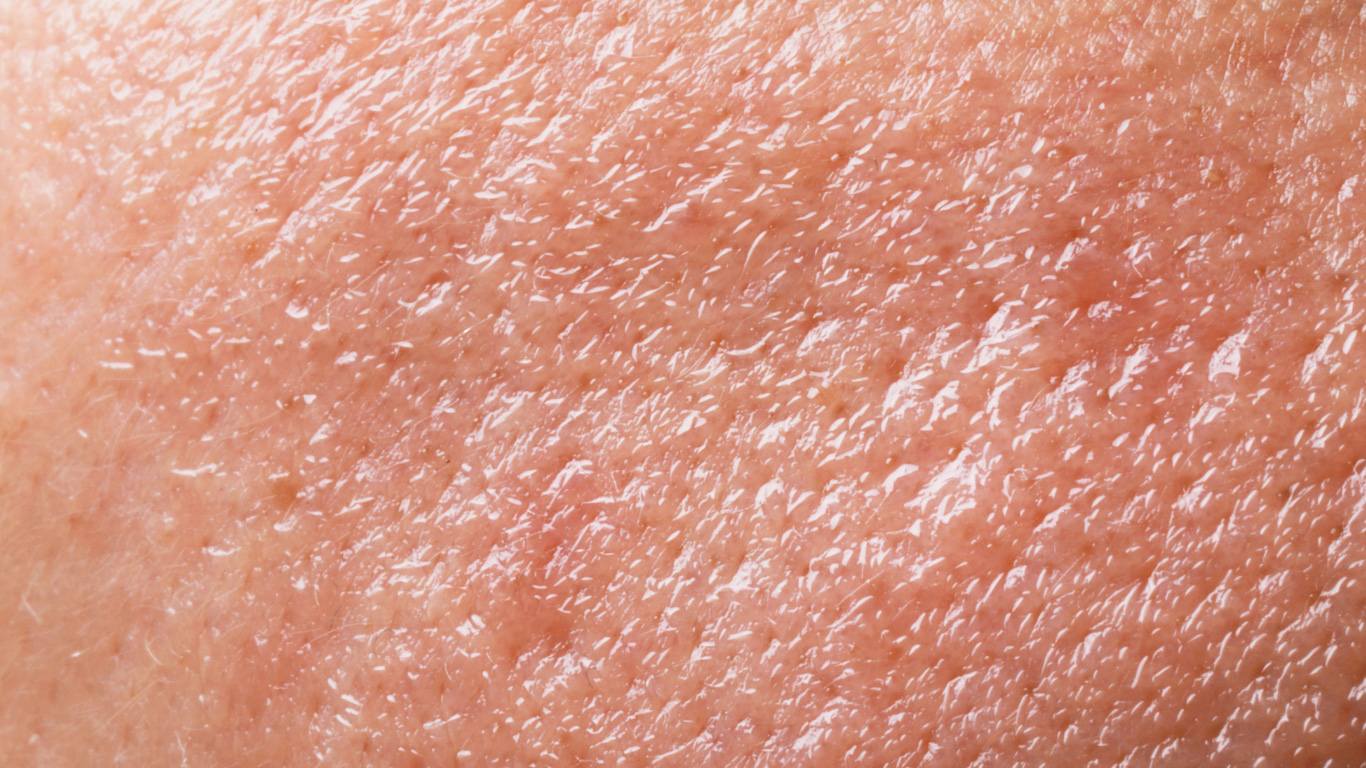
OILY SKIN
Oily skin often looks thick, has large pores, and appears shiny.
In dermatology, this skin type is called seborrhea. It is usually due to excess sebum production, which can be triggered by genetics, hormonal changes, medications, or stress.
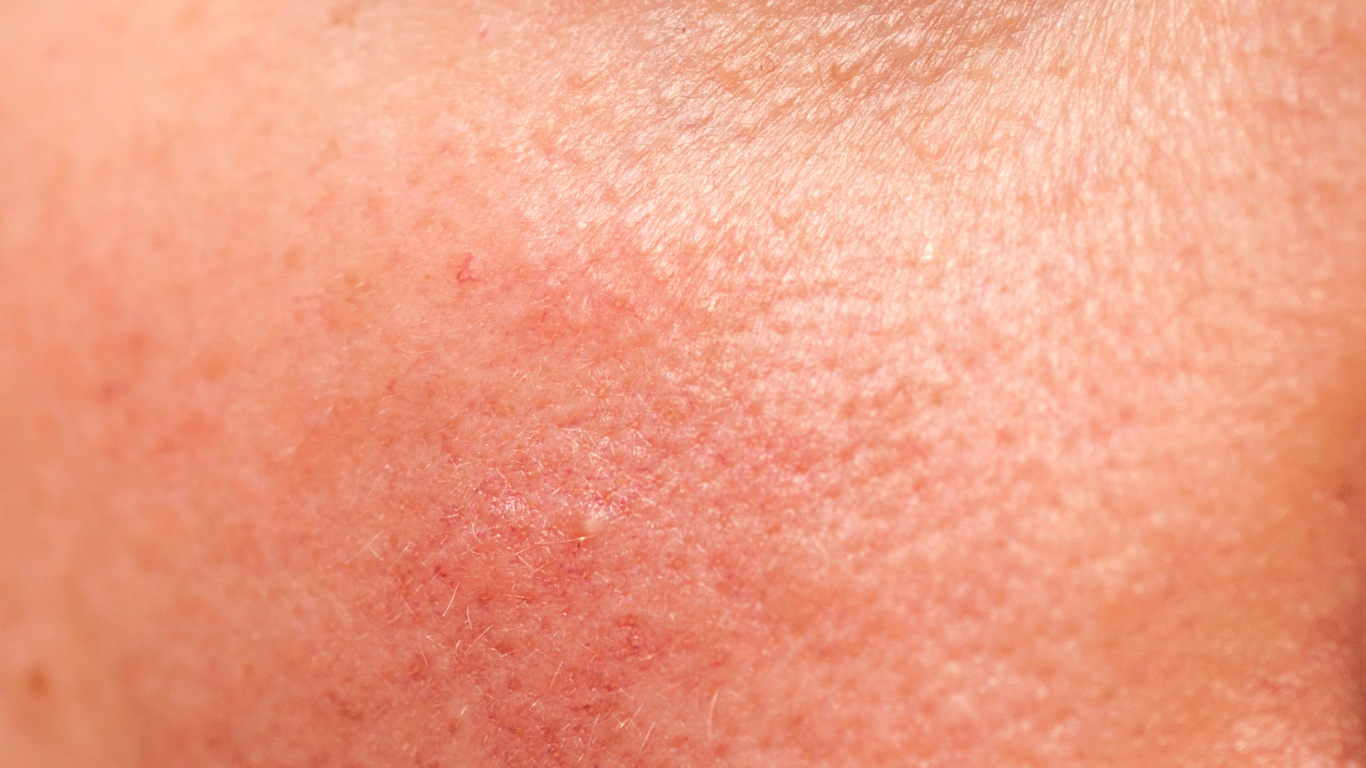
COMBINATION SKIN
The term “combination skin” refers to a skin type with mixed features.
The “oily T-zone” covers the forehead, nose, and chin, while the cheeks are typically dry. The T-zone can vary in size, from a thin strip to a broader area.
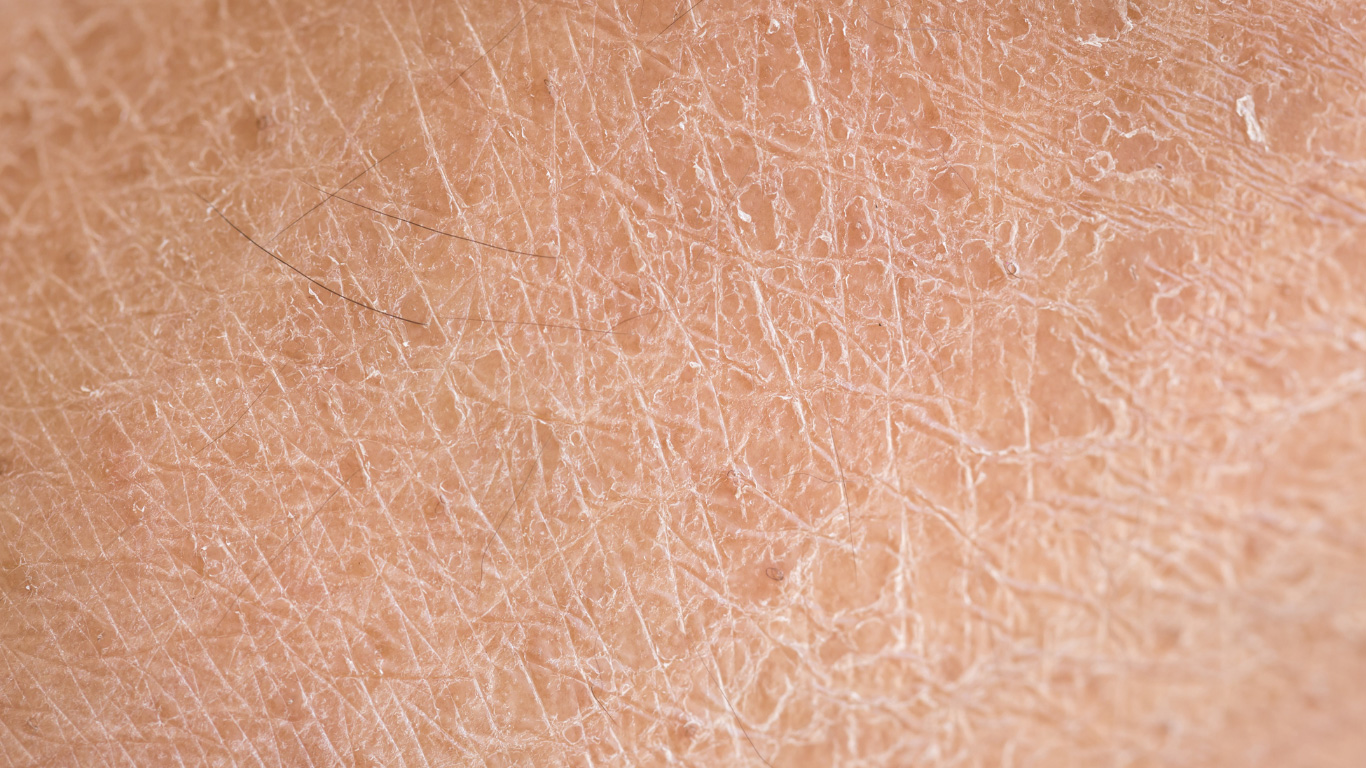
DRY SKIN
Dry skin is referred to as sebostasis in the field of dermatology.
It is usually fine-pored, delicate, and drier. It produces less sebum and therefore fewer lipids, which protect against water loss.
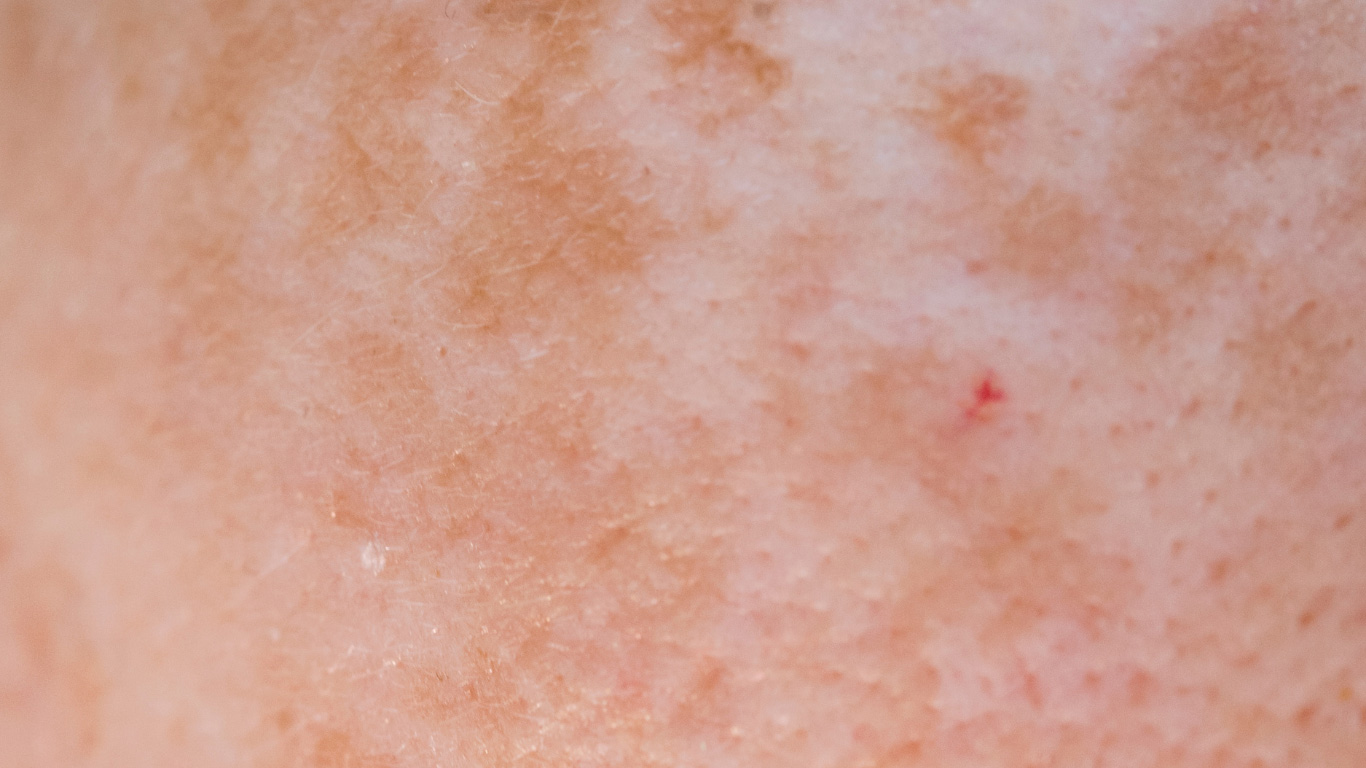
SENSITIVE SKIN
Sensitive skin often becomes dry and red.
It has fine pores and reacts faster than normal skin to external factors. It may also show itching, rashes, or inflammation.
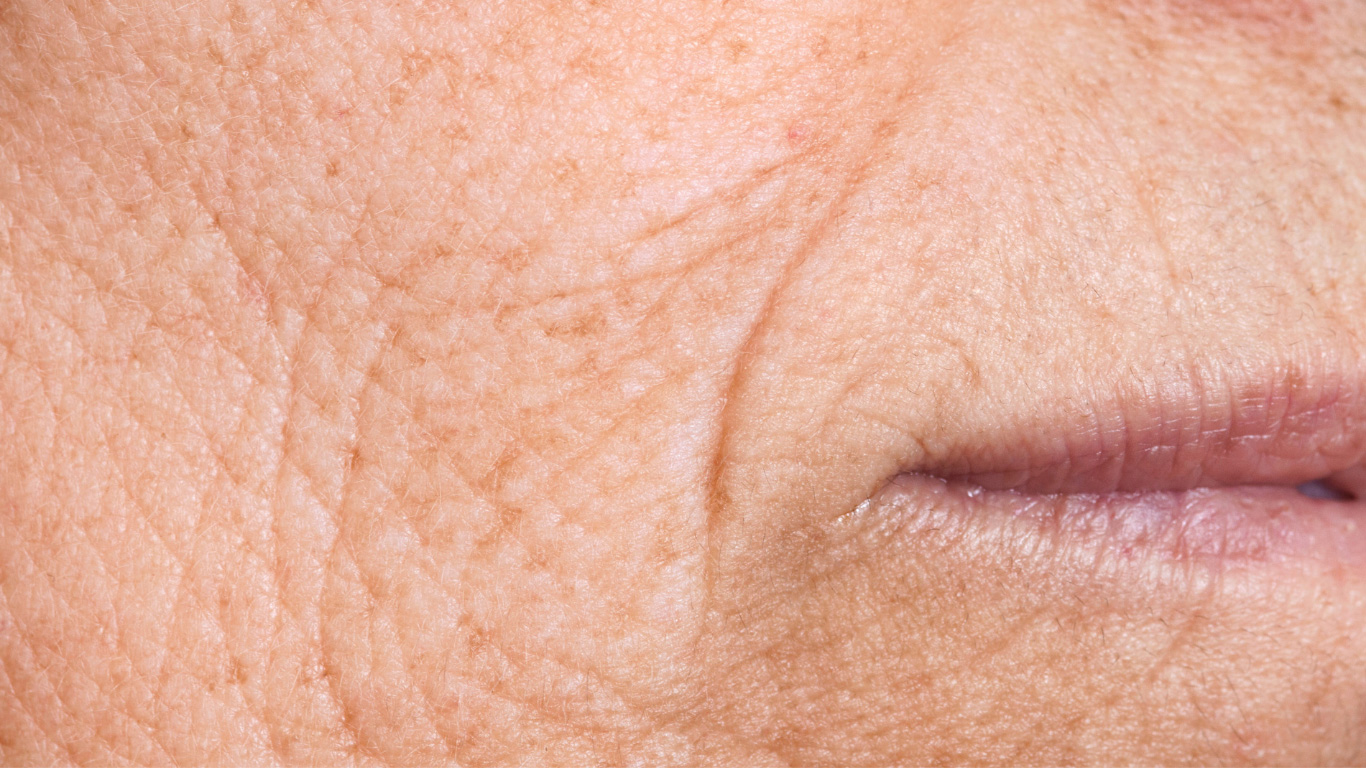
MATURE SKIN
The skin changes over the course of a lifetime.
Depending on predisposition, lifestyle, and external influences, mature skin develops sooner or later. It becomes more demanding, needs more protection, and requires tailored care. The first lines and wrinkles appear.
Determining skin types – how do I know my skin type?
To figure out your skin type, wash your face thoroughly and avoid skincare products for an hour. Then check: if your skin feels tight or flakes, it’s likely dry; if it’s very shiny with large pores, it’s oily; if only the T-zone is shiny but cheeks are dry, it’s combination skin. If it reacts easily to irritants, it’s sensitive. A quick blotting paper test can also help. It shows oil levels: lots of oil = oily skin, little oil = dry, only oil in the T-zone = combination skin.
Important: Your skin type can change with age, hormones, or season. For a precise diagnosis, a professional skin analysis – such as by a dermatologist – may be helpful.
Skin types and hormonal changes – what’s happening to my skin?
Skin type can change throughout life. If the skin was oily during youth, it may become drier after puberty, pregnancy, or during menopause.
Reduced hormonal activity with age due to menopause
From around age 25, estrogen production steadily declines. After menopause, collagen and hyaluron production in the skin cells (fibroblasts) of the dermis drops significantly. Studies have shown that five years post-menopause, skin collagen levels are reduced by about 30 percent. Without collagen and hyaluron, the skin struggles to maintain its elastic support network.
As skin ages, its layers change: moisture content drops, and the strength and elasticity of collagen fibres decrease. The skin becomes thinner and drier. This leads to fine lines and a loss of youthful radiance.
Skin types and UV sensitivity – Fitzpatrick classification explained
Skin sensitivity to UV light, meanwhile, is divided by the Fitzpatrick classification (named after American dermatologist Thomas Fitzpatrick) into six skin types – based on how the skin reacts to sunlight, with less emphasis on skin condition or cosmetic qualities.
| Skin Type | Natural Skin Color | Hair Color | Tanning | Self-Protection Time |
|---|---|---|---|---|
| Type 1 | Very fair | Reddish to reddish-blonde | None | max. 15 min. |
| Type 2 | Fair | Blonde to brown | Minimal to moderate | max. 20 min. |
| Type 3 | Light to light brown | Dark blonde to brown | Progressive | max. 30 min. |
| Type 4 | Light brown, olive-toned | Dark brown | Progressive | max. 40 min. |
| Type 5 | Dark brown | Dark brown to black | None | max. 60 min. |
| Type 6 | Dark brown to black | Black | None | max. 90 min. |
Skin care is also essential for darker Fitzpatrick skin types, as the skin barrier must be protected. Despite higher natural UV protection, deeper skin types are not immune to environmental influences, light-induced skin damage, or damage to the collagen structure, which leads to premature skin aging in the long term.